Leave Your Message
Wellness in the workspace context has become increasingly important in an environment characterized by so much activity. Standing Desks are among the newest innovations contributing to a healthier work culture, with studies backing up claims that prolonged sitting can be correlated to the risk of chronic disease. In the study "Sedentary behavior increases mortality risk," it was published in the American Journal of Epidemiology that long hours of being sedentary promote a 24% rise in the chances of dying; therefore, there is an urgent need for all sorts of alternatives to counter this. While standing desks are able to reduce such health risks, they are also able to improve productivity and employee morale, thus making them a must for modern office designs.
Guangdong Junshi Intelligent Furniture Co., Ltd., LED by the wellness revolution, seeks to portray a resort of today. We have performed a seamless amalgamation of cutting-edge technology with ergonomic design to manufacture intelligent workspace systems that are suitable for government offices, corporate, and institutional applications. By putting standing desks into these office spaces, we are creating a healthier, more engaging environment that will encourage great employee satisfaction and efficiency while the advantages of standing desks go beyond the satisfaction of the worker. They are a paradigm shift into more thoughtfulness and solutions against health problems in workplaces.
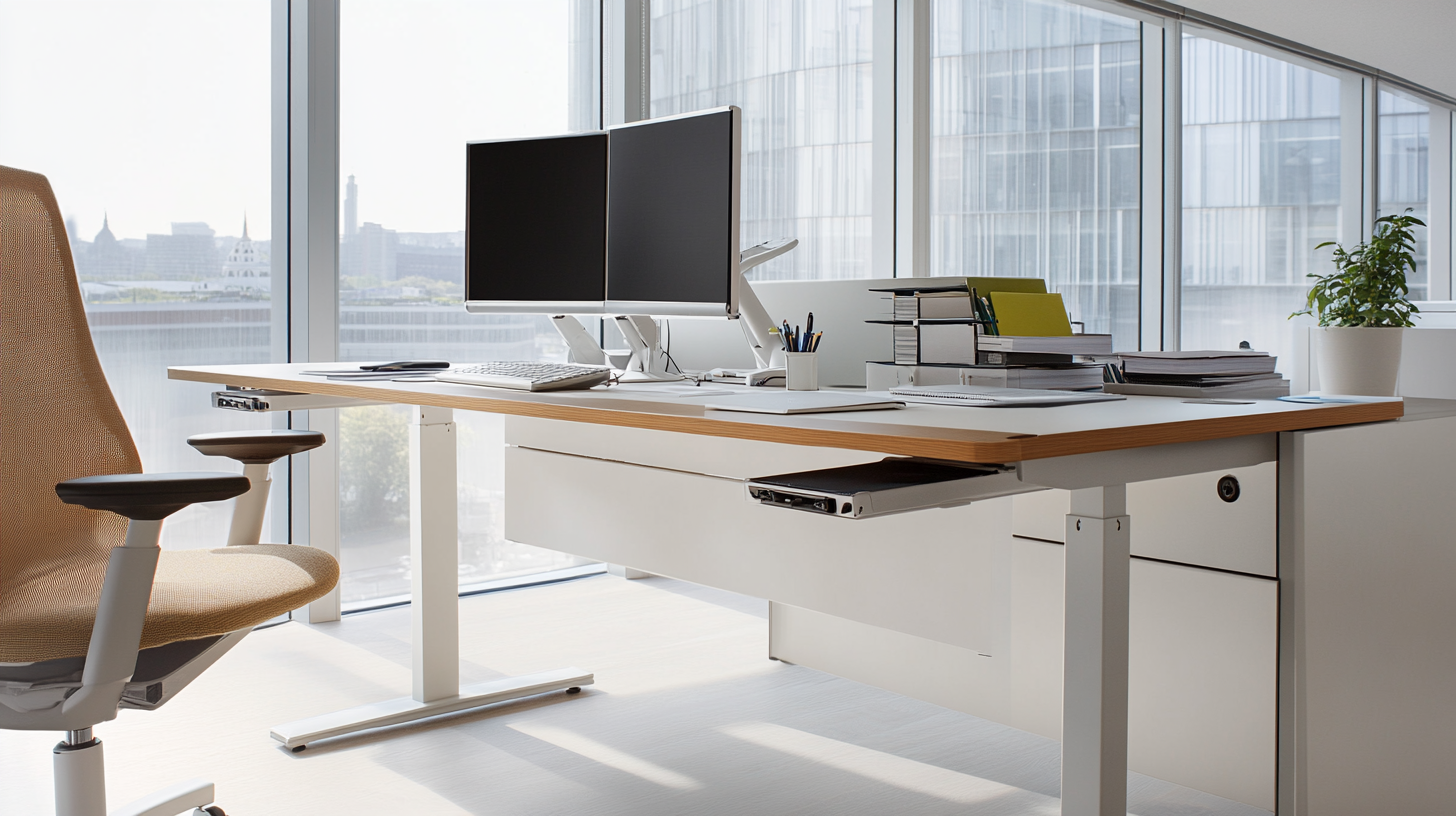
Standing desks have seen a surge in popularity in recent years, and evidence supports their health benefits. It is known that prolonged sitting can lead to several health problems, such as obesity, cardiovascular disease, and type 2 diabetes. According to *Preventive Medicine*, standing desk workers burn an additional 50 calories each day compared to sitting for the same amount of time. This seemingly trivial change translates into weight loss and better health over the year. Likewise, stand-up desks may encourage productivity and general well-being, with their ergonomic designs. The *University of Queensland* conducted a study that found that while participants worked, those who switched between sitting and standing all day long reported greater energy and improved mood. The same study revealed that 80% of participants had less fatigue and discomfort in their back and neck while using standing desks. Thus, standing may alleviate not just physical pressure but also cognitive function. With improved physical comfort, standing desks may also help with certain metabolic outcomes. The *American Journal of Epidemiology* describes research in which reducing sedentary time lowered the chances of metabolic syndrome—a constellation of conditions that add a higher risk for heart disease and other health problems. By encouraging frequent movement during work hours, standing desks help control healthy blood sugar and cholesterol levels while promoting a health-friendly working atmosphere.
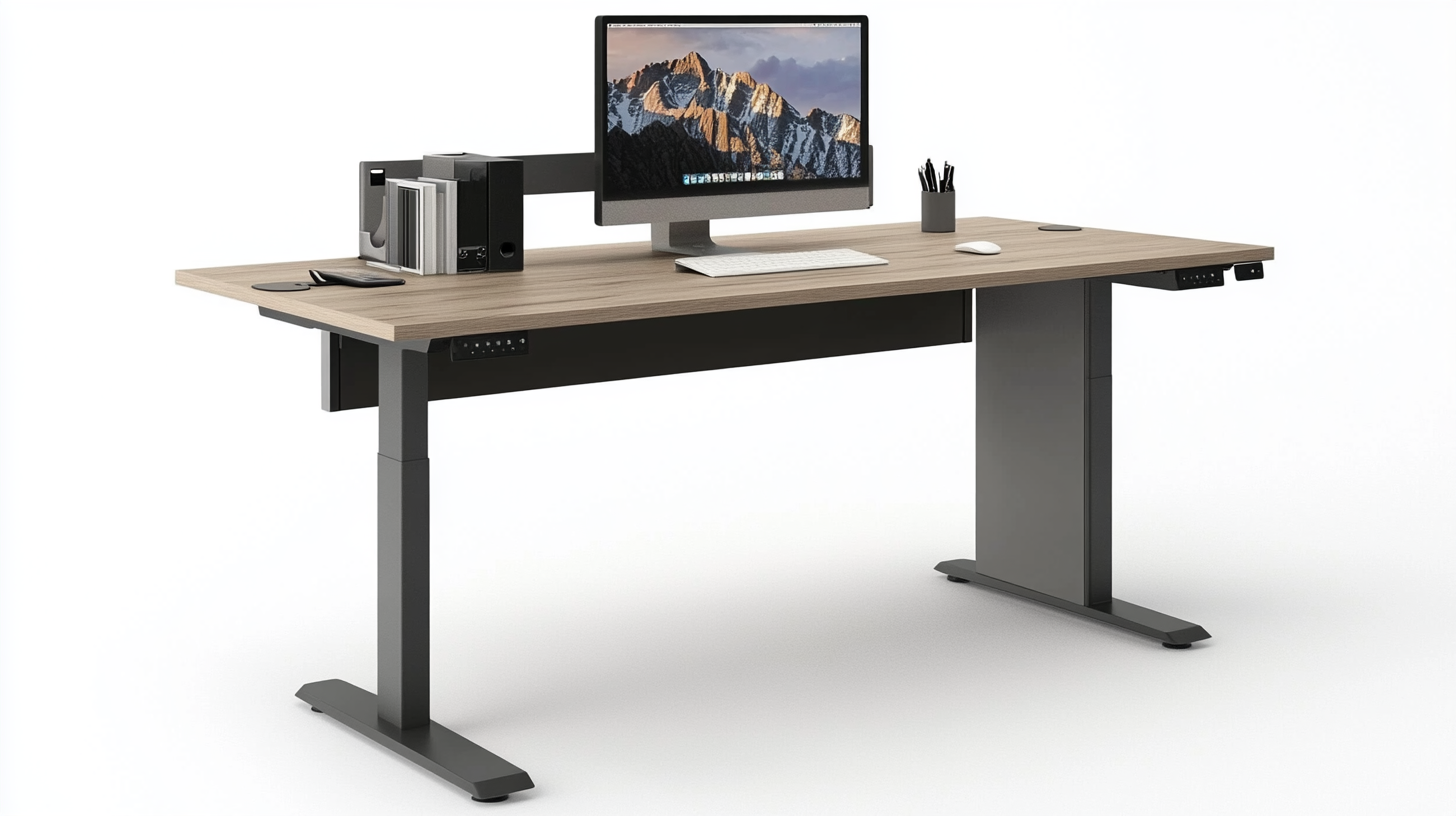
In fact, such is the case that there are organizations now concerned with setting up their offices to be more ergonomic and healthy for the employees because of the changes that have taken place in the modern workplace setting. To improve their posture and overall health, employees have turned to the use of standing desks. Various studies indicate that one of the major causes of musculo-skeletal disorders in modern people is poor posture mainly caused by prolonged sitting. As per a study conducted by the Journal of Physical Activity and Health, standing desk users have a 32% decrease in upper back and neck pain after only four weeks of use. The change proves that standing desks encourage improved postural habits.
Using a standing desk improves focus and productivity. According to the research conducted by the Texas A&M School of Public Health, productivity among workers using standing Desks Increased by about 46%. A different working position instigates movement and hinders discomfort while improving circulation and energizing them. This can be especially helpful for employees who regularly find themselves feeling sleepy after prolonged periods of sitting.
Lastly, standing desks provide an active lifestyle, since the majority of designs come with easy height adjustments. People using sit-stand desks increased their physical activity by 30% as reported in the American Journal of Preventive Medicine . With this flexibility, users are actively encouraged to alternate moving positions during the day, providing a healthier work environment for everyone to enjoy. In addition, install a few standing desks into everyday affairs of one's life to increase the probability of better posture, productivity, and a much more dynamic working style.

Modern workplaces are increasingly aware that movement and concentration have a much deeper root than most would give it. Scientific investigations are showing that sitting for long periods damages productivity and cognition. Increasing brain activity by 20 percent would be expected from regular physical exercise, according to a report from the American Heart Association. This reinforces the significance of movement in daily life. Standing desks serve excellently in allowing employees to move from sitting to standing, increasing the energy involved with work.
According to a research article in "Occupational Health Psychology," using standing desks has reported increased energy and general well-being among employees. In a three-hour, minimum day of conducting research using standing desks, participants, in 2016, registered a 54% upsurge in experiencing productivity. Just by standing combined with minor movement throughout the day should go a long way in keeping a productive environment where creativity and innovation can thrive.
In addition, a report by Global Workplace Analytics shows that organizations encouraging office workers to be moving around using standing desks or something similar will have lower absentee rates and higher employee-perceived satisfaction. By adding these ergonomic tools to the workplace environment, companies can invent a healthier environment that promotes physical healing as well as mental clarity and productivity. The evidence linking present and improved work environment with greater focus is becoming more apparent, paving the path for companies to invest in their solutions, fostering movement around workplaces in the working day.
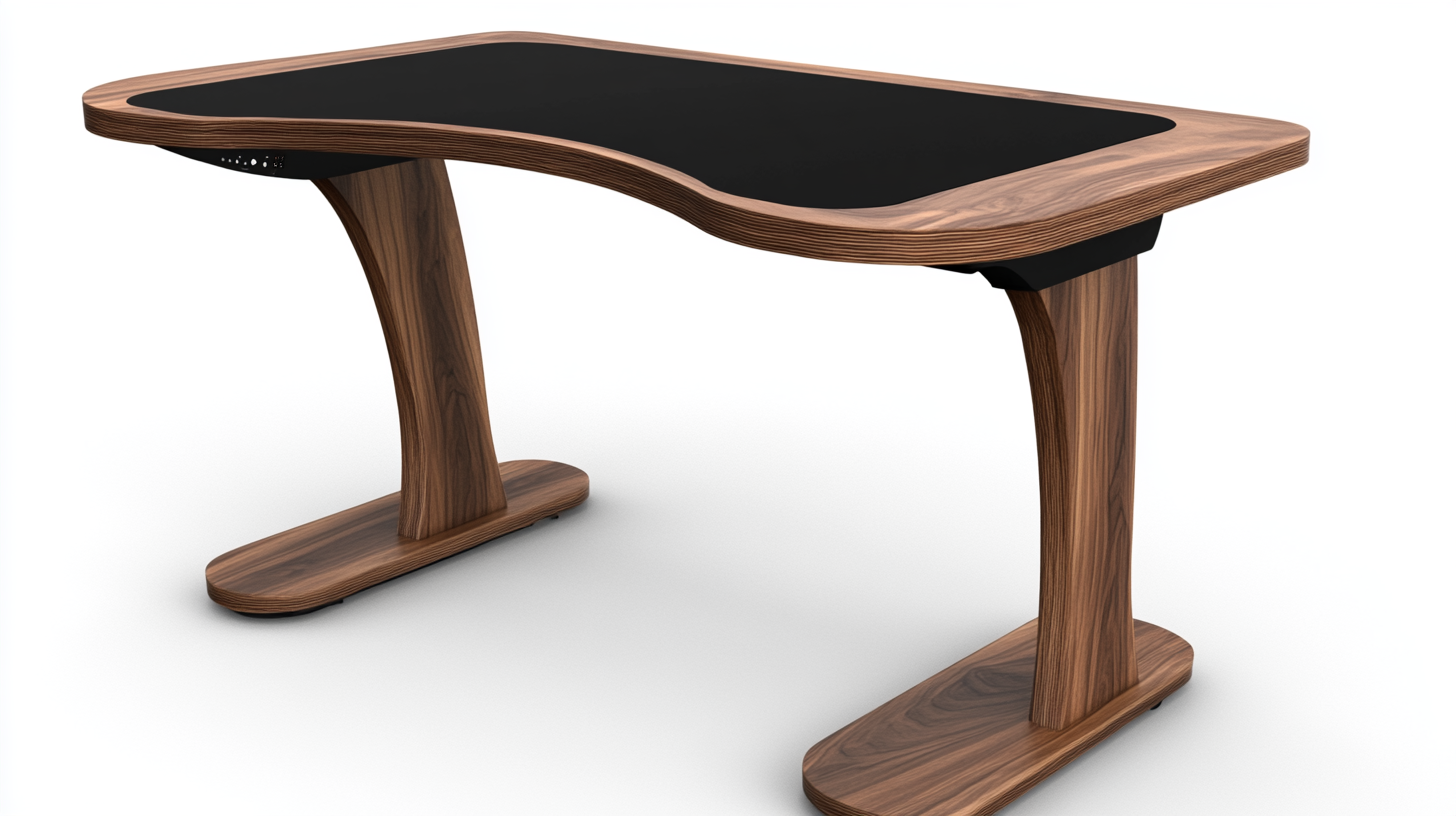
Sedentariness has become a serious health issue in today's fast-paced, occupational environment with many negative effects, including the elevation of incidence of metabolic diseases like obesity, cardiovascular diseases like ischemic heart, and musculoskeletal disorders pertaining to back, neck, or even brain-solely resulting from sedentary lifestyle to say the listlessness! One of the handy antidotes available in curbing these adversities is to make standing desks a part of our daily history. Standing desks are programmed to help create movement and diminish the time consumed in the sedentary posture, thereby bringing better blood circulation and increased vigor going around the workday.
Many stand-upworking-height-desk trials affirm that standing while working can reduce significantly the odds of one developing serious health problems. It's a well-known fact that reduced discomforts are experienced with sustained hours of passive sitting with a more active posture such as no more half-an-hour stiff back or slutty legs. Additionally, standing desks tend to improve productivity in a bigger sense because while high energy fosters concentration and creativity. Hence having used the desks, the employees almost always vouch for feeling so much alive and involved in what they are doing, which ultimately nurtures not only their personal well-being but employer performance as well.
Besides general health benefits, a stand-up desk can also bring about a better mood and mental health aspects. What first comes to mind is how good it feels to maintain such a wonderful position of changing between standing and sitting all day. The adoption of stand-up desks displays health companies' enthusiastic desire to bask in not only a physical change but a feverish step towards an enthusiastic and creative office ambience. Thus, we make a significant push to limit the detrimental impacts of an indolent lifestyle, creating a happier and healthier labor force.
Its sizable benefactors: health-conscious professionals. Going about their work-related pursuits, many workers utilize sit/stand desks to promote good health. Some studies reveal that prolonged sitting creates risk for conditions such as obesity, diabetes, and cardiovascular diseases. One publication by the American Journal of Preventive Medicine recommends that reducing the time spent sitting by just an hour a day is an effective remedy for reducing the risk of metabolic syndrome and improving health.
Standing desk usage is easier than many presume. First, help set up your workspace so that standing can become an interval throughout the day. It is advisable to alternate standing and sitting, applying a 1:1 or 2:1 ratio for sitting against standing time. Investigators from the University of Queensland reported that this alteration has been associated with improvements in energy and productivity levels. Those who partook in the investigation also reported feeling less tired and more attentive whenever they stood during their working time.
Ergonomics with standing desks is just another consideration not to be underappreciated. These desks can be beneficial for the treatment of posture, to prevent chronic low back pain, and just generally stimulate more active task engagement on the part of the user. One study by the Institute for Health and Productivity Studies states that organizations that provide standing desk options showed a 10 percent increase in employee engagement and satisfaction. With a more dynamic work atmosphere, an organization can facilitate the development of healthier habits that not only benefit their employees but also increase overall workplace productivity.
Choosing the right standing desk is one way to increase comfort and productivity in the workspace. A new study, published in the Journal of Occupational Health Psychology, shows that standing desks significantly raise mood and energy while decreasing fatigue and discomfort from prolonged sitting. Employees switching to standing desks report a 54% increase in productivity, proving a standing desk even essential in establishing a more dynamic workspace.
A standing desk must be adjustable with regard to height and stable and broad enough to work upon. It, therefore, acknowledges Adjustable Desks, which allow the user to switch from sitting to standing and vice versa through easy manual or electrical means. The American Journal of Public Health states that maintaining desk ergonomics prevents a prevalence of musculoskeletal conditions among office workers, while one custom fit for your needs may ease neck and back pain and promote a healthier work environment.
Furthermore, various elements of nature can work alongside a standing desk for augmenting its benefits. For instance, low-maintenance plants such as snake plants greatly improve air quality, but they also provide greenery that fires up creativity and reduces stress. Picking a good standing desk and adding plants will help you make a work environment healthy, productive, and supportive of general well-being.
Switching to a standing desk can really contribute to a work environment with better posture and energy that can last all day. However, transition from a traditional seated desk to a standing one is something that is usually pondered upon and requires more planning before making that switch. Below are some insights to make that easy transition.
Start Gradually. First of all, alternate short durations of standing with sitting. An example here: You could stand for about 15-30 minutes for every hour, then let your body get used to the new routine before gradually extending the duration of standing. This prevents fatigue and discomfort. It also allows muscles to get used to the different alignment without overloading.
Next setup. Height must ideally be such that when typing, your elbows should bend around a 90-degree angle at your standing desk as your monitor is at eye level so that tension is relieved off your neck. It is often advisable to invest in an anti-fatigue mat to bring comfort and support so as to make standing much easier and more bearable when your body is used to it.
Lastly, pay attention to what you have on your feet. Supportive shoes make a huge difference to your comfort all day long. Avoid wearing high heel shoes or extremely flat ones without any support as this may cause discomfort or pain on the feet. These helpful tips should ensure that you fully reap the benefits that come with standing while working at a desk.
Standing desks' long-term impacts on health have received much attention due to new research that has pointed out the dangers of prolonged sitting. One such study suggests that people who are regular exercisers may also suffer adverse health effects when prolonged sitting is involved. Such sedentary actions heighten mortality rates. Thus, the presence of standing desks at workplace levels might be a possible remedy for the threats posed by prolonged sitting.
Standing for brief periods has been shown in research to alleviate negative health consequences associated with prolonged inactivity. With this in mind, establishing short 30-minute standing or stretching breaks may foster positive cumulative effects on health. One study, reported in the American Journal of Preventive Medicine, showed that reducing sedentary time enhances life span and metabolic health markers. Standing desks can help promote movement during the day and lessen back pain from conventional sitting.
Moreover, ergonomic studies contend that an ideal standing desk configuration increases work productivity and concentration. Workers reportedly feel energized and satisfied with their job when using standing desks, according to a survey conducted by the Human Factors and Ergonomics Society. In the long run, the standing desk may be not only a wholesome working condition but also encourages a lot of proactive approach to career life, thus making it a suitable choice to employers who want to invest in their employees' welfare.
Standing desks can help reduce the risk of obesity, diabetes, and cardiovascular diseases by encouraging less prolonged sitting. They may also lower the risk of metabolic syndrome and promote overall well-being.
Begin by adjusting your workspace to allow for standing intervals throughout the day. Aim for a ratio of sitting to standing time of 1:1 or 2:1, alternating between the two to enhance energy levels and productivity.
Research indicates that using a standing desk can lead to a 54% increase in productivity, with users reporting greater energy levels and focus during their workday.
Key considerations include height adjustability, stability, and surface area. A desk that easily allows switching between sitting and standing can help mitigate musculoskeletal issues and enhance comfort.
Organizations that have implemented standing desks have observed a 10% increase in employee engagement and satisfaction, contributing to a healthier work environment.
Yes, adding low-maintenance plants like snake plants can improve air quality, boost creativity, and reduce stress, further complementing the advantages of using a standing desk.
No, it’s not necessary to stand all day. The ideal approach is to alternate between sitting and standing throughout the day to maintain comfort and productivity.
Standing desks can help reduce discomfort associated with prolonged sitting, such as back and neck pain, enhancing overall ergonomic benefits in the workplace.
To maximize benefits, ensure proper desk ergonomics, alternate between sitting and standing, and consider integrating plants or natural elements into your workspace for a healthier environment.
While many can benefit from standing desks, it's important to assess individual comfort levels and ensure proper ergonomic setup to prevent strain or discomfort.